Latest News from Space Station Research
Countdown to Space Station’s Silver Jubilee with Silver Research
This November marks a quarter century of continuous human presence aboard the International Space Station, which has served as a springboard for developing a low Earth economy and NASA’s next great leaps in exploration, including human missions to the Moon and Mars.
Learn Moreabout Countdown to Space Station’s Silver Jubilee with Silver Research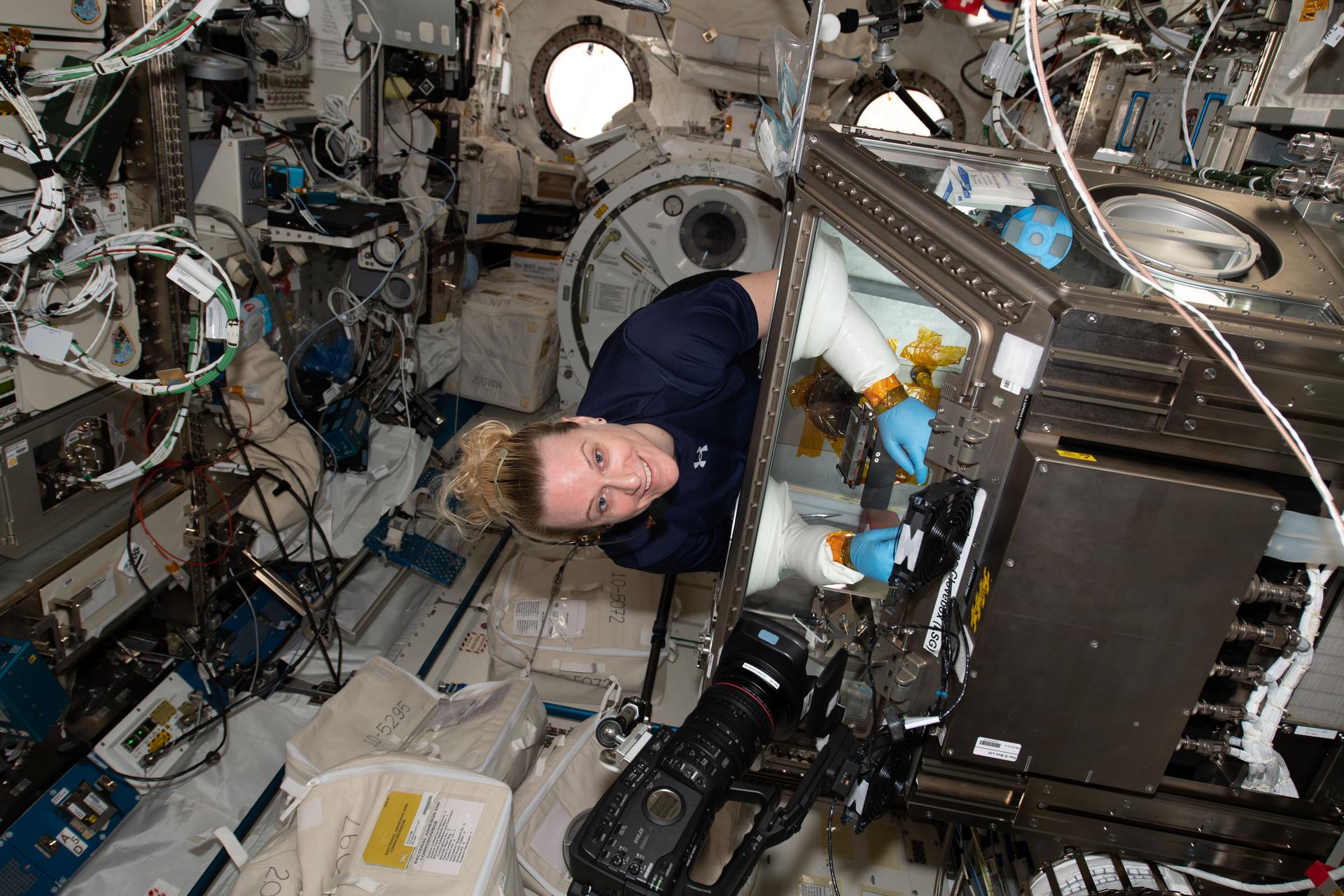
NASA’s SpaceX-33 Resupply Mission Launches Research to Station
Research traveling to the International Space Station aboard NASA’s SpaceX 33rd commercial resupply mission includes testing 3D bioprinting of an implantable medical device, observing behavior of engineered liver tissues, examining microgravity’s effects on bone-forming cells, and additional 3D printing of metal in space.
Learn More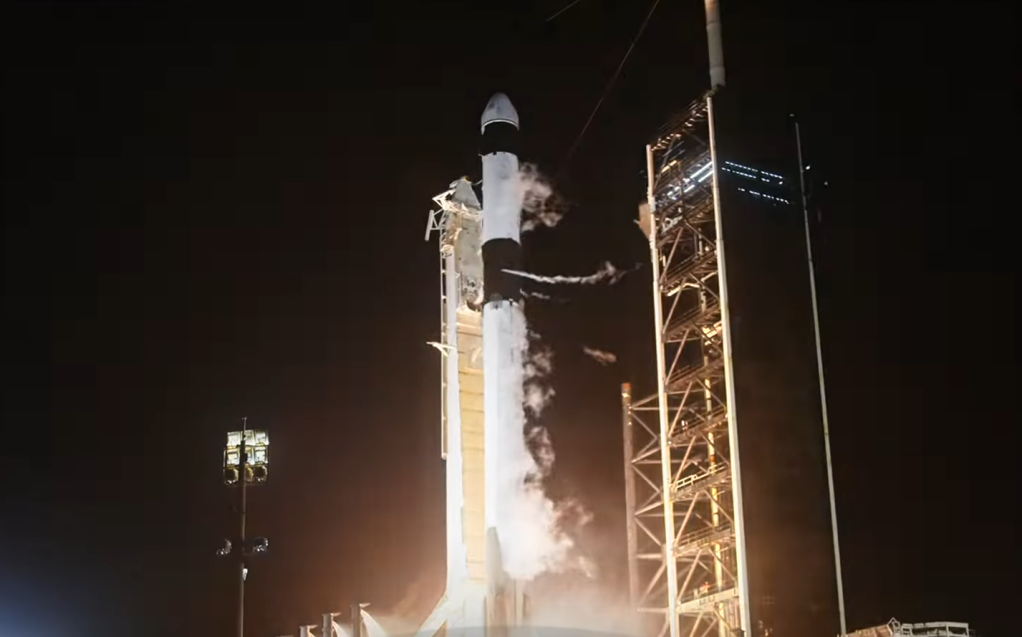
Space Station Cell Studies
Cell biology is the study of cell structure, function, and behavior. For humans, scientists in this field explore the mechanisms of diseases from bone loss to cancer and work on developing treatments.
Cell-based experiments on The International Space Station help identify how spaceflight affects people and other living systems, with applications for future space exploration and life on Earth.

NASA’s SpaceX Crew-10 Looks Back at Science Mission
NASA’s SpaceX Crew-10 mission with agency astronauts Anne McClain and Nichole Ayers, JAXA (Japan Aerospace Exploration Agency) astronaut Takuya Onishi, and Roscosmos cosmonaut Kirill Peskov is preparing to return to Earth in early August after a long-duration mission aboard the International Space Station.
Learn More
NASA's SpaceX Crew-11 Mission Gears Up for Space Station Research
A host of scientific investigations await the crew of NASA’s SpaceX Crew-11 mission during their long-duration expedition aboard the International Space Station. Astropanuts are set to study plant cell division and microgravity’s effects on bacteria-killing viruses, as well as perform experiments to produce a higher volume of human stem cells and generate on-demand nutrients.
Learn More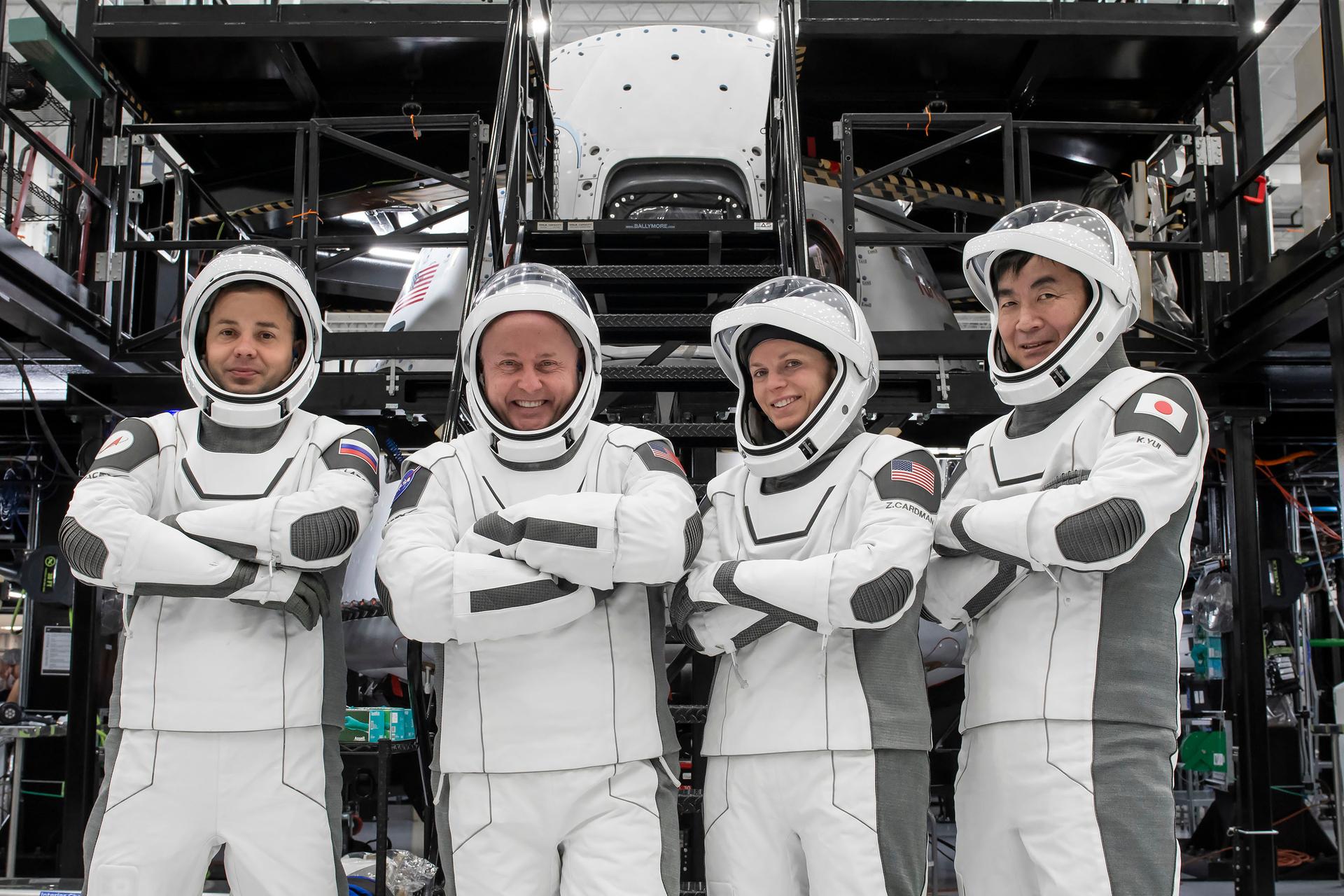
Vision Changes on Space Station
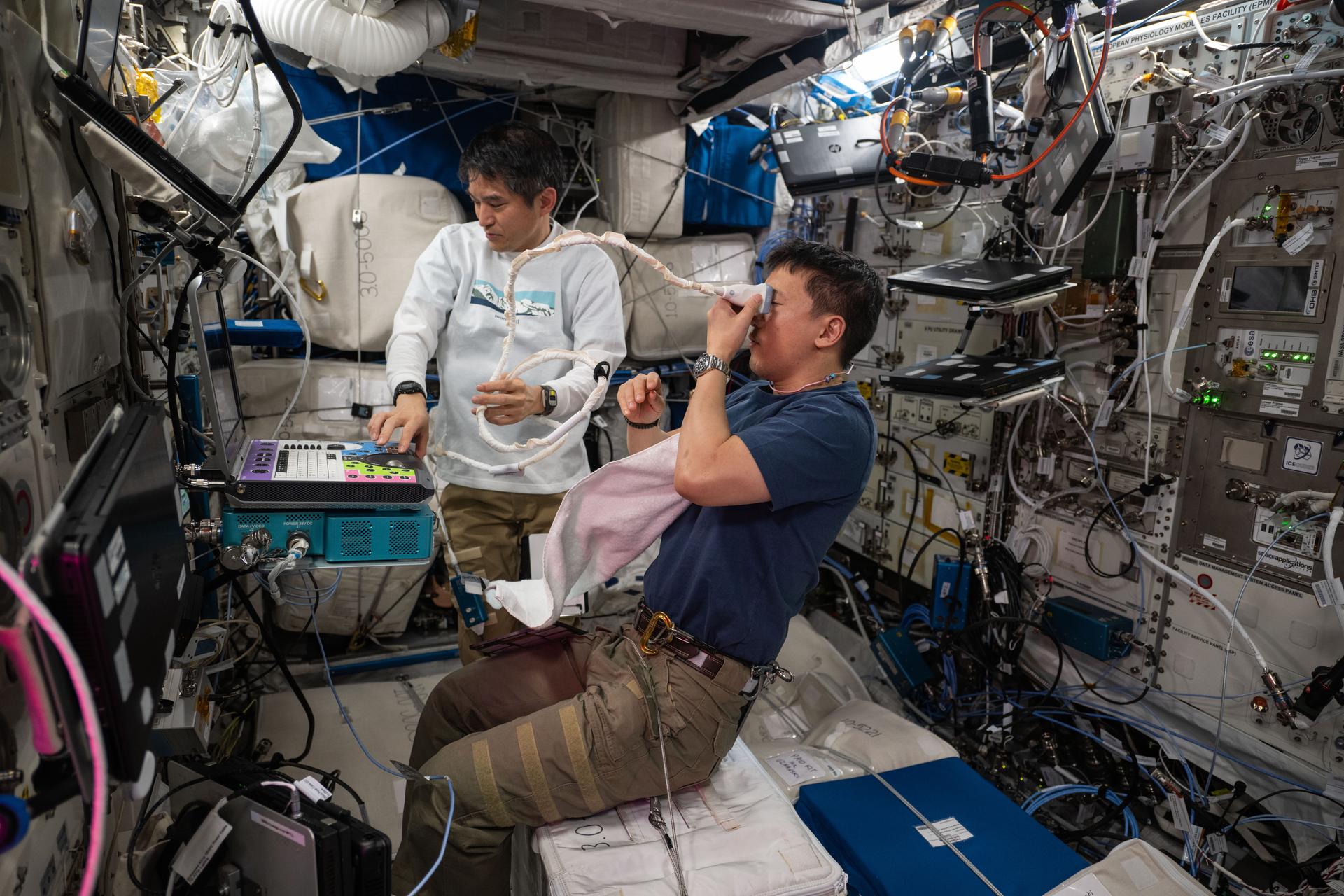
When astronauts began spending six months and more aboard the International Space Station, they started to notice changes in their vision. For example, many found that, as their mission progressed, they needed stronger reading glasses. Spaceflight can cause changes to the eye’s structure and affect vision so scientists monitor the eye health of crew members throughout their missions.
Learn More